


A Practical Explanation of Germany’s Broadcasting Fee for Foreign Residents?
Background:
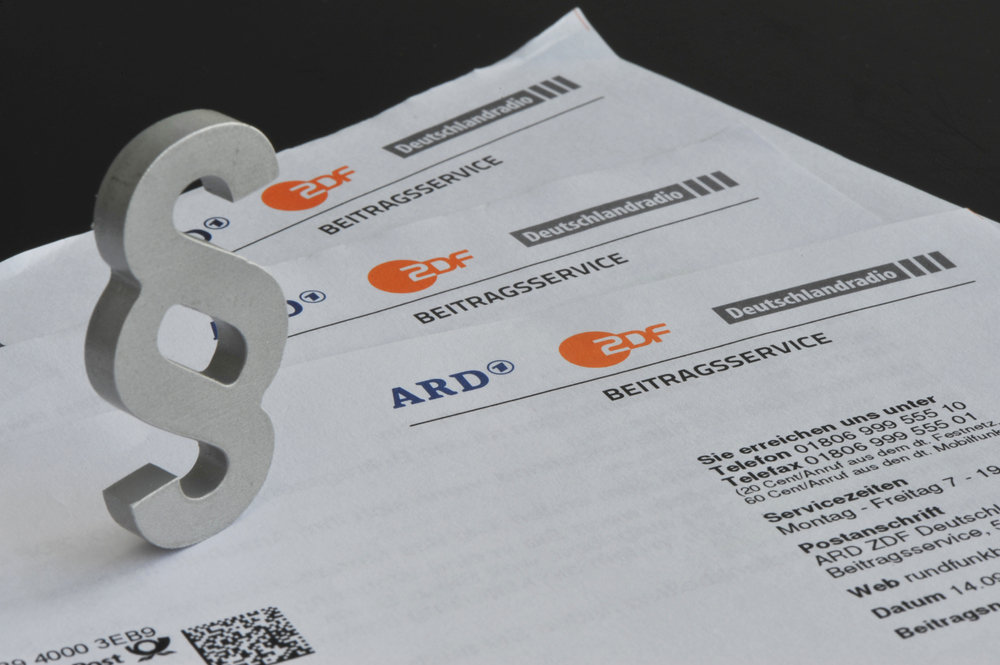
A few weeks after moving to Germany, many people suddenly receive a letter from:
“ARD ZDF Deutschlandradio Beitragsservice” and immediately wonder:
- “Why am I getting this?”
- “I don’t even own a TV.”
- “How do they know my address?”
- “Do I still have to pay if I don’t speak German?”
→This is a notification regarding the **Rundfunkbeitrag**, Germany’s mandatory public broadcasting contribution.
Unlike Japan’s NHK system, Germany’s broadcasting fee is not based on whether you own a TV or use the internet. Instead, the obligation is tied to simply having a registered residence in Germany.
In this guide, we explain:
- Why the letter arrives automatically
- Whether foreigners are required to pay
- How the system works in shared apartments (WG)
- What happens, if you don’t pay
- How to cancel when leaving Germany
and other common questions that many newcomers to Germany have.
What is the Rundfunkbeitrag?
The Rundfunkbeitrag is a mandatory contribution used to fund Germany’s public broadcasters such as ARD, ZDF, and Deutschlandradio.
In Germany, every household is generally required to pay this fee.
Fee amount (as of April 2026)
- €18.36 per month
However, payments are usually made in advance every three months.
- Quarterly: €55.08
- Semi-annually: €110.16
- Annually: €220.32
- Monthly payment is generally not available.
Why does ARD/ZDF automatically send me a letter?
When you complete your residence registration (**Anmeldung**) in Germany, your address is registered with the local authorities.
The organization managing the Rundfunkbeitrag —“ARD ZDF Deutschlandradio Beitragsservice” — can access this registration data and therefore usually sends a letter automatically after your Anmeldung.
Many foreigners become anxious, because it feels like a random invoice from an unknown organization, but this is a normal part of Germany’s administrative system.
Do I still have to pay if I don’t own a TV?
Yes, in most cases you do. Germany’s broadcasting contribution is not based on:
- whether you own a TV
- whether you watch German channels
Instead, it is based on:
whether you have a residence in Germany.
Therefore, you are still required to pay even if:
- you do not own a TV or internet connection
- you only watch Netflix or YouTube
- you do not speak German
How is this different from NHK in Japan?
Japan’s NHK fee is based on owning receiving equipment such as a TV.
Germany’s Rundfunkbeitrag, however, is automatically charged per household regardless of device ownership.
Because of this, many Japanese residents initially feel:
“Why do I have to pay for something I don’t use?”
In Germany, however, the system is viewed more like a public infrastructure contribution.
Do I need to pay even in a furnished apartment (vollmöbliert)?
In most cases, yes.The Rundfunkbeitrag is not determined by furnitured rent contract or TV ownership, but rather by:
→who lives at the residence.
However, in some situations the fee may already be covered, for example in:
- student dormitories
- shared apartments (WG)
If someone at the same address is already paying, you do not need to pay again.
Before signing a contract or moving in, it is helpful to ask:
- “Ist der Rundfunkbeitrag bereits angemeldet?” (“Has the broadcasting fee already been registered?”)
What happens in a shared apartment (WG)?
Only one Rundfunkbeitrag payment is required per household/address.
If one roommate is already paying, additional residents usually do not need to register separately.
If nobody has registered yet, the roommates need to decide who will register and make the payments.
It is best to confirm this early with your roommates to avoid duplicate payments.
When do I need to register?
In principle, registration should be completed within one month after moving in your residence.
Although many people automatically receive a notification letter after Anmeldung, you are still officially responsible for registering yourself.
In other words:
“I haven’t received a letter yet”, does not necessarily mean you are exempt.
Registering early is usually the safest approach.
Payment schedule and deadlines?
The Rundfunkbeitrag is paid every three months.
Example schedule (if you moved in during April)
- First payment: May 15
- Second payment: August 15
- Third payment: November 15
- Fourth payment: February 15 (following year)
Payments must arrive within four weeks after each due date.
Example:
- May 15 payment → must arrive by June 14
Payment methods:
The two main payment methods are:
① SEPA direct debit (recommended)
The amount is automatically withdrawn from your bank account.
② Bank transfer
You manually transfer the payment each time.
Because late payment management is strict in Germany, many people prefer setting up automatic SEPA payments.
Do inspectors still visit homes?
In the past, ARD/ZDF representatives sometimes visited households directly.
Today, however, the system mainly relies on residence registration data.
Most communication now happens through:
- letters by mail
- registration confirmations
- payment reminders
Door-to-door visits are far less common than many foreigners expect.
What happens, if I don’t pay?
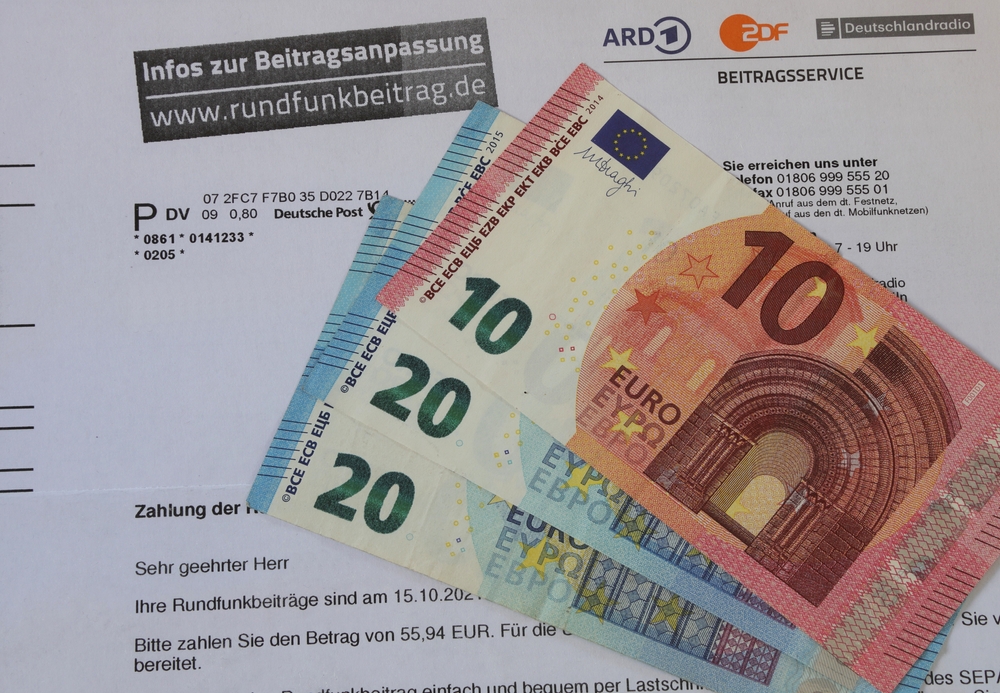
Failure to pay may result in:
- late fees (minimum €8)
- reminder letters
- debt collection procedures
- possible bank account enforcement/seizure
Germany manages the Rundfunkbeitrag quite strictly, so it is important not to ignore payment requests.
Exemptions and reductions:
You may qualify for exemption or reduction if you are:
- receiving BAföG (while living separately from parents)
- receiving Bürgergeld/social welfare
- living with certain disabilities
However, exemptions are not automatic.
An application is always required.
Don’t forget “Abmeldung” when leaving Germany
If you move abroad or relocate within Germany, you must update or cancel your Rundfunkbeitrag registration.
When leaving Germany permanently, you are often required to submit proof of deregistration (**Abmeldung**).
If you forget to do this, billing may continue even after you leave Germany.
Summary:
The Rundfunkbeitrag can feel confusing at first, especially for foreigners new to Germany.
- The most important points to remember are:Register soon after moving in
- Check for duplicate payments in a WG
- Set up automatic SEPA payments
- Don’t forget to cancel when leaving Germany
Since this system affects almost everyone living in Germany, understanding it early can help you avoid unnecessary stress and payment issues. And by the way: COS-Services takes over all kind of service for Expatriates. Also this job we do.
Editor:
-Haruka Kobayashi, COS-Services